
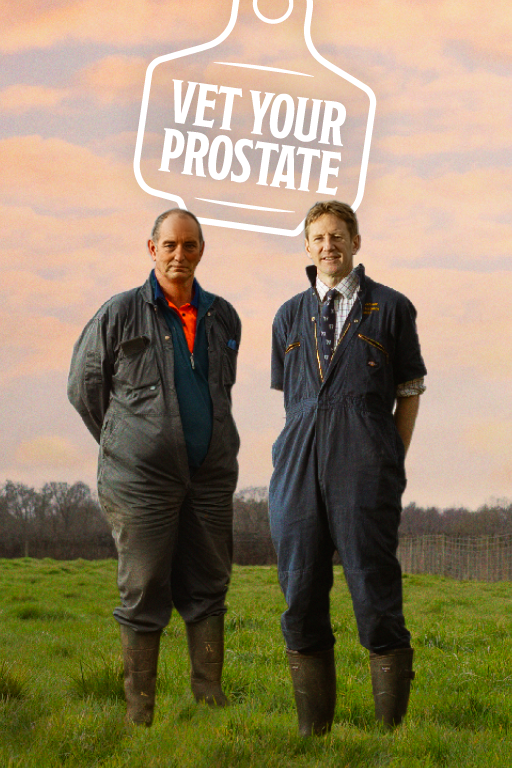
Lay of the land
Vet Your Prostate
Lay of the Land
Prostate cancer is uniquely treatable when caught early. At an early stage, almost everybody survives 10 years or more. Yet each year, thousands of men in the UK still die from the condition. With no national screening programme in place, managing prostate cancer risk is left to the individual.
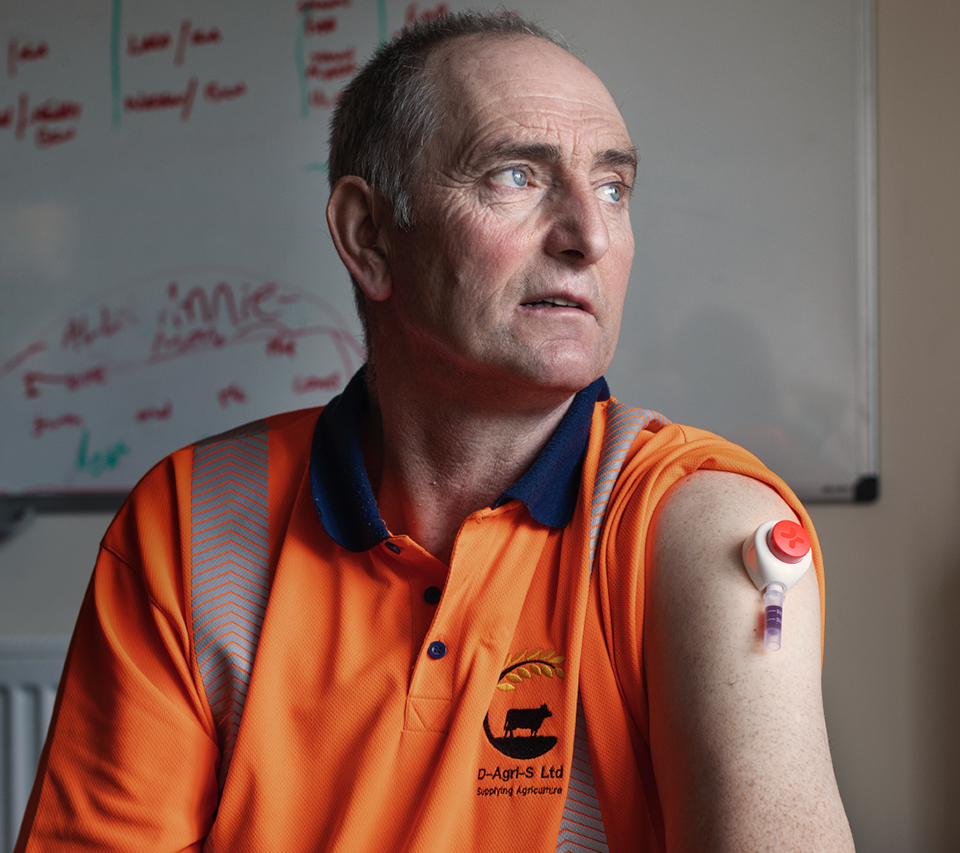
Some groups face even greater barriers. Farmers have around 20% higher risk of prostate cancer than the general population for a number of reasons, including exposure to different agricultural chemicals, as well as other farming practices. This risk is compounded further by their geographic and cultural isolation, the 24/7 nature of the job, and many feel traditional healthcare services don’t understand their way of life, and may opt out entirely. Many simply “tough it out”, ignoring symptoms until the disease is advanced, at which point survival outcomes are reduced.
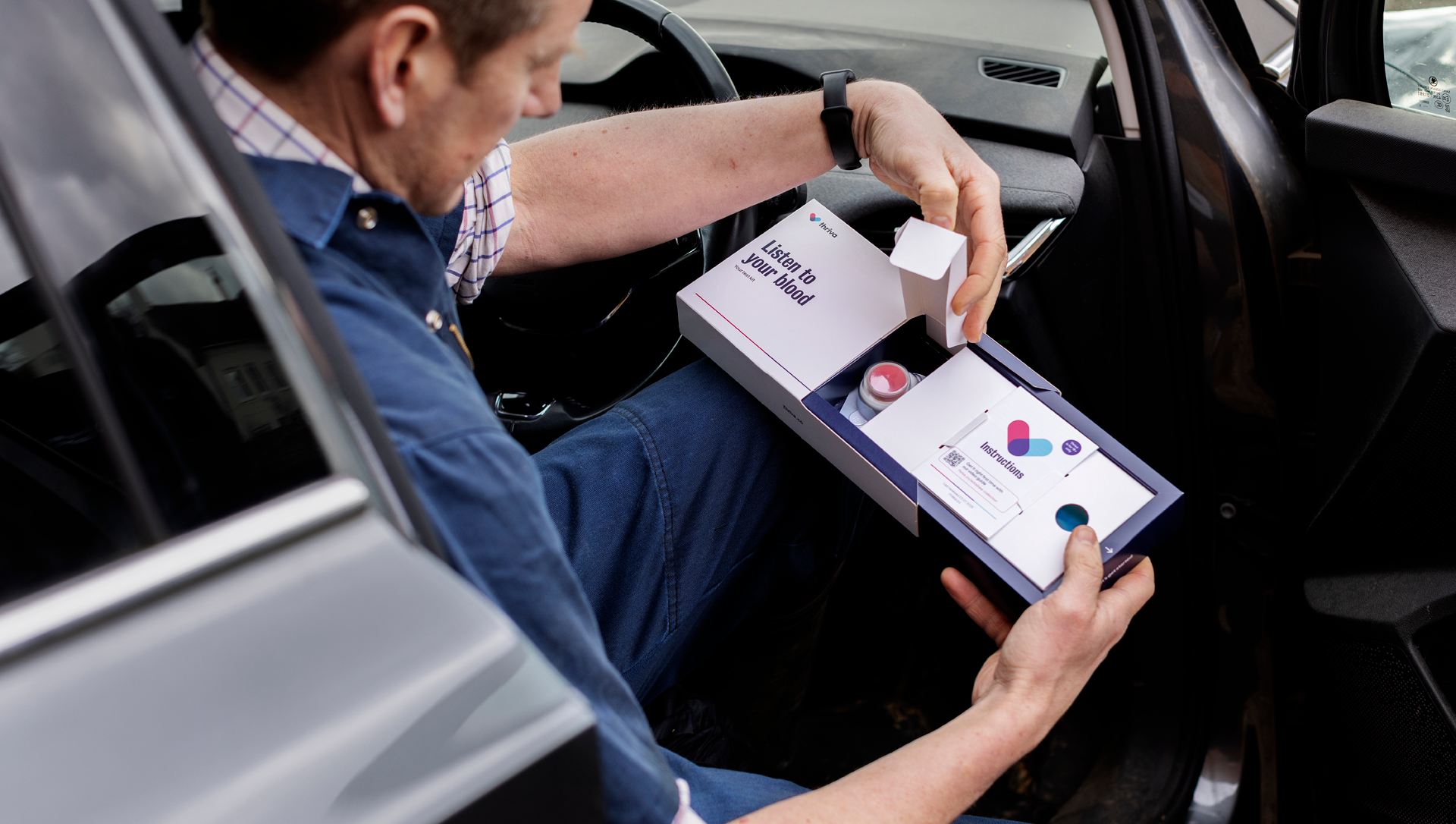
Awareness and testing on their turn
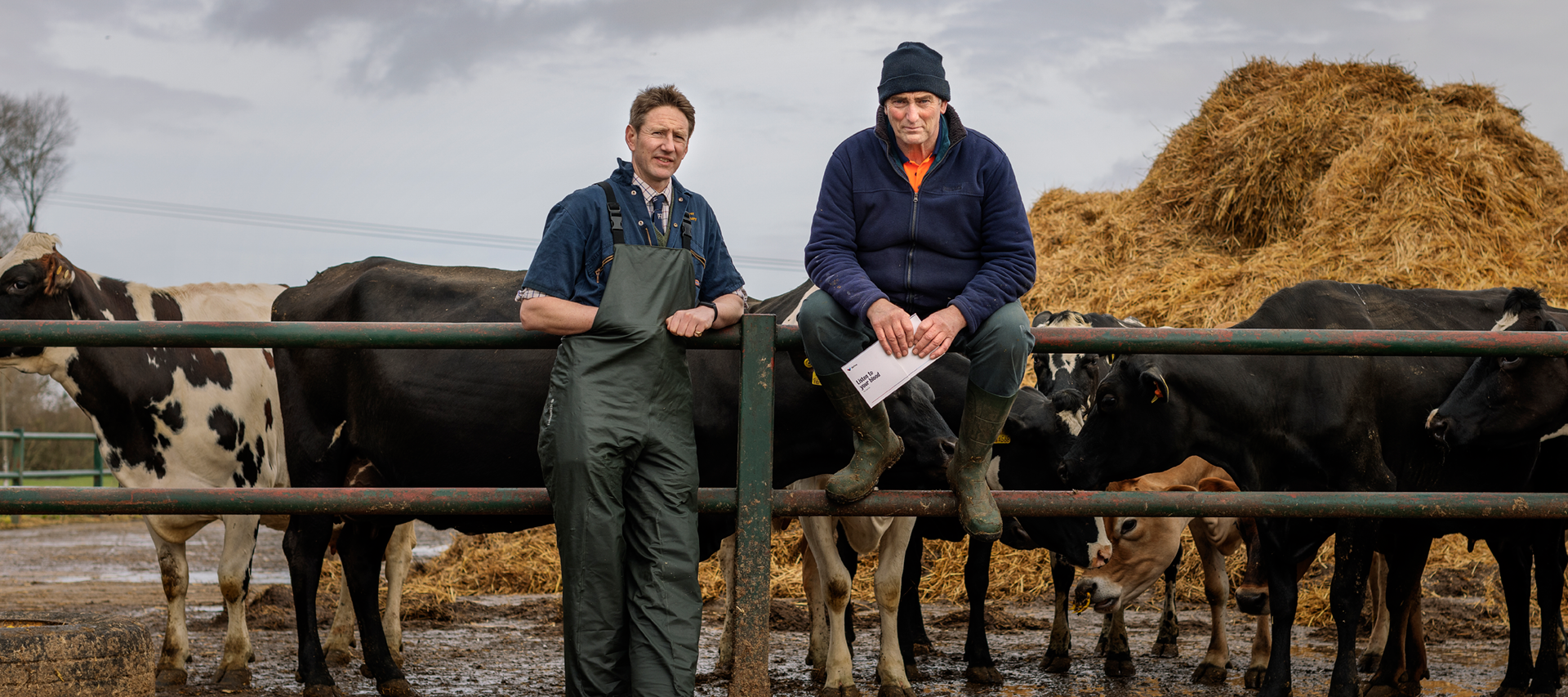
If farmers aren’t going to the doctor, we need to meet them where they already are. While farmers may not regularly visit a GP, there is one medical professional they consistently see: their vet. So we trained vets to help farmers better understand their prostate cancer risk and take action.
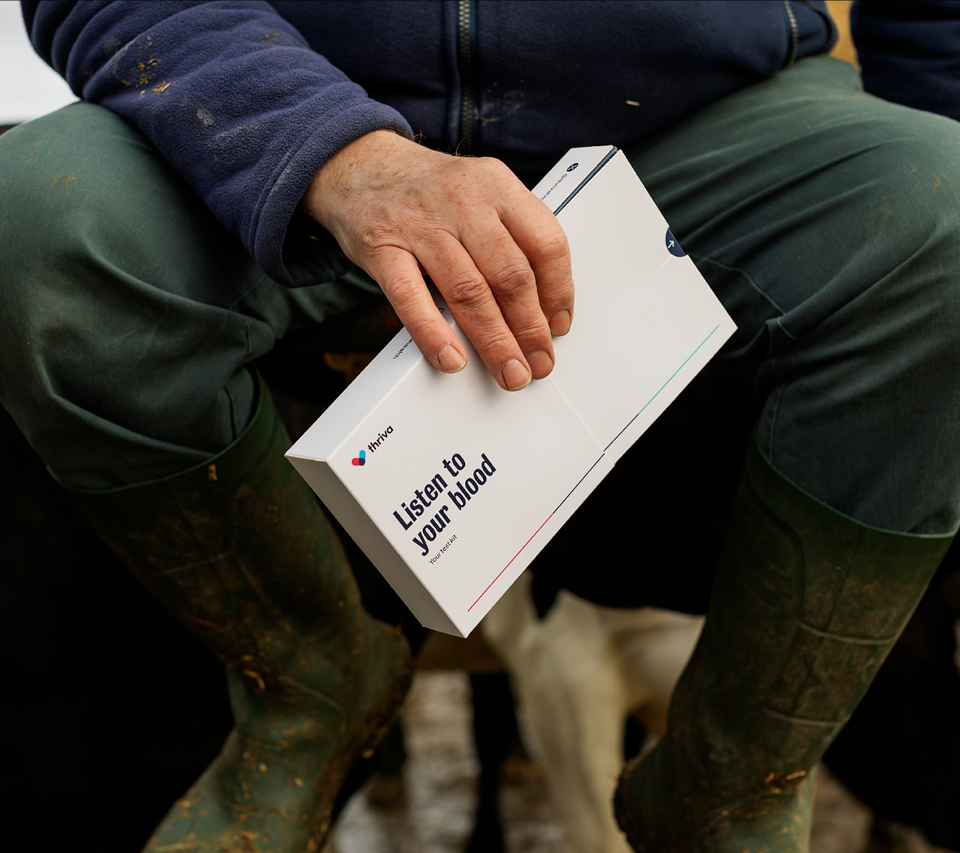
By equipping vets with the knowledge and tools to start conversations, and providing Thriva testing kits directly on farms, we brought prostate education and PSA blood testing into the field itself. In doing so, vets were able to support not just the health of the farm, but the farmer too.
Impact
The ambition was clear: prove that Thriva could reach audiences often considered unreachable.
The response was immediate. Over 100 vets have signed up so far giving access to at-risk men across more than 1,000 farms and exceeding initial targets by 180%.
For Thriva, this delivered early validation of a replicable model, using trusted community intermediaries to provide accessible risk assessment. More broadly, the work is helping to drive increased public and political attention on prostate cancer screening